
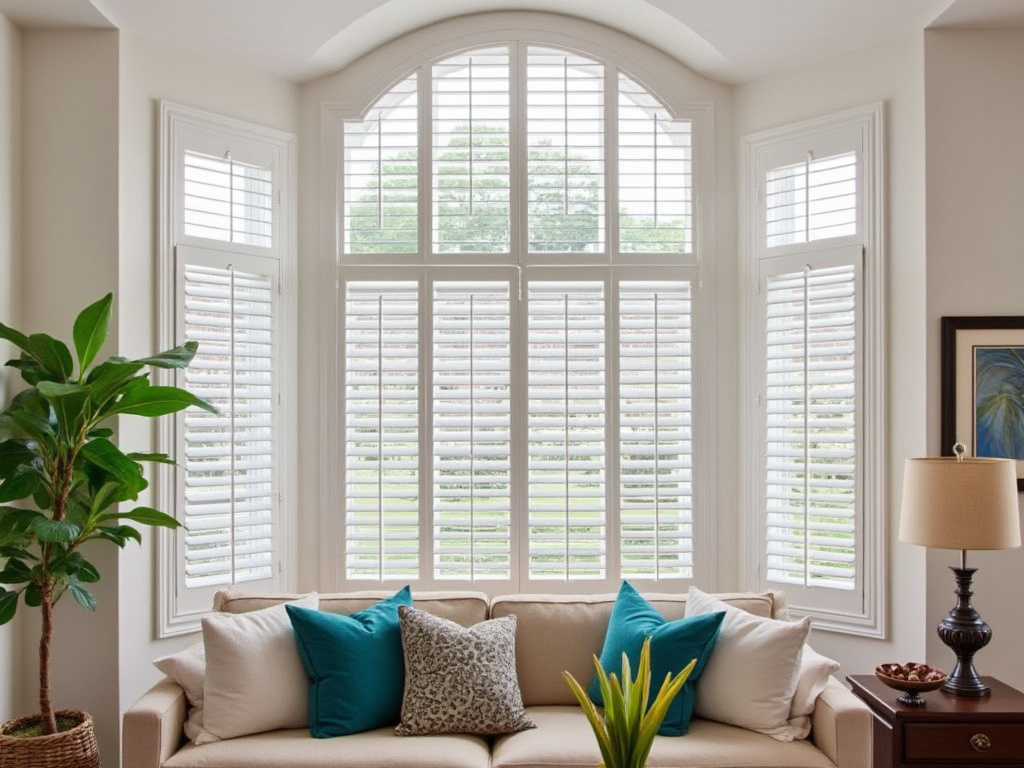
How To Choose the Right Shutters for Your Las Vegas Home: A Comprehensive Guide
Shutters do more than dress a window. They set the tone of a room, balance light and privacy, temper heat and glare, and add structure to a facade. Pick well and you gain control, comfort, and a clean look that stays in style for decades.
Ready to pick with confidence? Let’s get practical about types, materials, fit, and the small details that make shutters feel custom, even when they are not.
Request A Free Estimate Today!
Interior vs. Exterior Shutters at a Glance
Interior vs. exterior shutters mount differently but serve similar purposes. Interior shutters mount inside the window frame or just outside it, opening like doors or folding panels. They offer light control, privacy, insulation, and a polished finish that often replaces both blinds and drapes.
Exterior shutters mount to the house around the window. They can be decorative or working units that close for shade, heat protection, or privacy from Las Vegas sun exposure. In desert regions like the Las Vegas Valley, energy efficiency and heat reduction often drive this choice.
Both sides can be beautiful and useful. The right choice depends on how you want to control light and manage desert heat indoors, and how much architectural clarity you want outside.
Match the Architecture
Shutters should feel native to the building. A few reliable pairings include:
- Colonial and Georgian: Raised panel or narrow louver interior shutters; exterior louvered or raised panel with traditional hardware.
- Cape Cod and cottage: Board and batten or simple louver exteriors; interior cafe or full-height plantation for cozy charm.
- Mediterranean and Spanish revival: Solid panel or board and batten exteriors; arched tops in wood or composite.
- Farmhouse and craftsman: Shaker-style flat panel interiors; board and batten exterior with iron strap hinges.
- Tudor: Solid panel exteriors, stained or dark painted; interior panels with simple rails.
- Midcentury and contemporary: Wide-louver interior shutters with hidden tilt; minimal exterior detailing or Bahama shutters in sunny climates.
If you are restoring an older home, match the rail sizes, style widths, and panel profiles that are seen in period examples. For new builds, scale matters. Larger windows often look best with wider louvers and fewer visual breaks.
Styles and Configurations for Interior and Exterior Shutters
Interior Styles
- Plantation shutters: Wide louvers, usually 2.5 to 4.5 inches, crisp lines, strong light control. Works with many decors.
- Hardwood shutters: Crafted from premium solid wood for a timeless look and feel. Offers exceptional durability, natural insulation, and customizable stains to match any interior style.
- High-tech PolyCel® shutters: Made from advanced composite materials designed to resist moisture, heat, and UV rays. Ideal for high-humidity areas like bathrooms and kitchens, while maintaining a real-wood appearance.
- Custom shutters: Built to your exact window dimensions and style preferences. Available in a wide range of materials, colors, and configurations to create a tailored look that complements any décor.
- Traditional louver: Narrow louvers around 1.25 to 2 inches for a more classic look.
- Cafe shutters: Cover the lower half of the window, leave the top open. Great for kitchens and streetside rooms.
Exterior Styles
- Louvered: Ventilation and classic look. Can be fixed or operable.
- Raised or recessed panel: Stately, formal, solid protection.
- Board and batten: Vertical boards with horizontal battens, rugged Southwest appeal.
- Sun-control Bahama or Bermuda: Top-hinged, holds at an angle for shade and breeze.
- Heat-reflective aluminum or composite: Provide lasting color and UV resistance in desert climates.
Pro tip: Blend styles where it makes sense. Solid panels in bedrooms, louvers in living spaces, cafes in kitchens.
Materials That Actually Last
Not all shutter materials behave the same around moisture, sun, and temperature swings. The right choice balances weight, stability, finish options, and budget.
| Material | Look/Finish | Moisture Resistance | Weight | Paint/Stain Options | Lifespan With Care | Typical Use | Cost Range* |
|---|---|---|---|---|---|---|---|
| Basswood | Fine grain, paints clean | Fair | Light | Paint or light stain | 15–25 years | Interior, dry rooms | $$ |
| Poplar | Smooth paint finish | Fair | Light | Paint only | 15–25 years | Interior, budget-friendly custom | $–$$ |
| Oak or Maple | Distinct grain | Good | Medium | Stain or paint | 20–30 years | Interior, premium look | $$$ |
| Cedar or Teak | Natural oils, resists rot | Very good | Light | Stain or natural oil | 20–40 years | Exterior, humid climates | $$$$ |
| MDF/Engineered | Very smooth paint surface | Poor to fair | Heavy | Paint only | 8–15 years | Interior, low-moisture areas | $ |
| Composite/Faux Wood | Wood look, stable | Very good | Medium | Paint-like finishes | 20+ years | Interior baths, laundry; some exterior | $$–$$$ |
| PVC/Vinyl | Uniform, low maintenance | Excellent | Light | Limited, often white | 15–25 years | Interior wet zones, exterior decorative | $–$$ |
| Aluminum | Sleek or louvered, durable | Excellent | Light | Powder coat, many colors | 20–30+ years | Exterior working or storm shutters | $$–$$$$ |
| Steel | Industrial-grade strength | Excellent | Heavy | Powder coat | 25–40+ years | Roll-down storm or security shutters | $$$$ |
*Relative only. Local markets vary.
What To Pick
- For timeless interior shutters, painted hardwood or composite handles daily use well.
- For bathrooms and laundry rooms, composite or PVC avoids swelling and warping.
- For exterior working shutters, cedar, teak, or aluminum deliver long service.
- For UV protection and glare control, aluminum or composite sun-control units are reliable.
Room-By-Room Picks
Living Room Shutters
- Wide louvers, 3.5 or 4.5 inches, keep views open and manage glare.
- Hidden tilt rods and divider rails at mullion height keep the look clean.
Bedrooms Shutters
- Solid panels or louvers paired with blackout drapery tracks handle sleep needs.
- Split tilt or tier-on-tier allows morning light at the top, privacy below.
Kitchen Shutters
- Cafe height along the street side gives privacy while keeping daylight.
- Composites hold up to dry air and temperature changes near cooking areas.
Bathroom Shutters
- Moisture resistant materials only.
- Inside mount if depth allows to keep edges away from water.
Home Office Shutters
- Wide louvers to kill monitor glare without darkening the room.
- Consider a matte paint finish to avoid reflections.
Media Room Shutters
- Solid panels or wider louvers paired with side channels keep light bleed down.
French Doors and Sliders
- Cutouts around door handles are common for French doors.
- Bypass tracks for sliders, or consider fixed panels flanking the door for style and sound absorption.
Light, Privacy, and Louver Choices
Louver Width Changes Everything. Here Is a Simple Way To Think About It:
- 2.5 inches: More blades, tighter look, stronger privacy when tilted down. Slightly less view when open.
- 3.5 inches: A balanced middle ground that fits most windows and ceilings.
- 4.5 inches: Fewer blades and a wide view when open. Looks great in rooms with tall ceilings.
Tilt Rod Options
- Center tilt: Classic, visible rod connecting blades.
- Offset or side tilt: Keeps the middle clear.
- Hidden tilt: A concealed mechanism tied to the edge. Sleek and easier to clean.
Privacy Detail
- Tilt blades up for night privacy on ground floors. Tilting down from above can leave sightlines into the room.
- Split tilt without a divider rail offers two tilt zones on one panel.
Energy and Climate Performance
Shutters add an insulating air layer at the window. Tight frames and properly fitted panels reduce drafts in the winter and heat gain in the summer. Solid panels do best for night insulation. Louvers, when closed, still limit radiant heat.
In Las Vegas, west-facing windows face intense afternoon sun. Prioritize UV-resistant finishes and larger louvers for cooling efficiency. Exterior aluminum or composite shutters help block solar heat while maintaining ventilation.
Unlike humid coastal regions, Las Vegas’ dry desert air means rot and moisture damage are minimal — the focus should be on preventing heat buildup and sun fading.
Color and Finish That Look Built-In
A few approaches work across many homes:
- Match trim color for a built-in look that elongates the window.
- Contrast with walls for a crisp architectural frame.
- Stain to showcase wood grain in traditional or rustic interiors.
Satin or matte paints hide dust and fingerprints better than high gloss. For exteriors, high-quality paint or powder coats resist UV and chalking. Dark colors absorb heat and may need more frequent touch-ups, especially in high sun regions.
For Las Vegas homes, lighter exterior colors reduce heat absorption and extend paint life under strong desert sun.
Measure, Mount, and Frame
An inside mount looks clean but needs depth and squareness. An outside mount forgives uneven openings and can make windows appear larger.
Key Checks
- Measure width at the top, middle, and bottom. Use the tightest number for inside mount quotes.
- Measure height on both sides and the center. Sills are rarely perfect.
- Check depth. Hidden tilt and larger louvers need more space to clear.
- Note obstructions, including locks, handles, sensors, tiles, and out-of-square plaster returns.
Common Frame Profiles
- L‑frame: Sits inside or just outside the opening. Good for modern lines.
- Z‑frame: Wraps the inside edge, hides uneven drywall, and creates a tidy reveal.
- Deco or trim frames: Adds character on plain drywall openings.
Divider rails often align with window mullions. That alignment trick makes shutters feel like part of the window, not a cover.
Hardware Details That Matter
Hinges should match the finish of nearby door hardware. In Las Vegas, choose UV-resistant finishes like powder-coated aluminum or stainless to handle the heat. Magnets or ball catches keep panels closed without visible latches.
Exterior shutters look more authentic with functional hardware — through‑bolted hinges, holdbacks, and dogs sized to the shutter height. Even if your shutters are decorative, scaling hardware to the shutter size improves the look.
Child and Pet Safety Tips
- No dangling cords. Shutters shine here by design.
- For French doors, secure panels so pets do not slam them into the handles.
Smart Features and Storm Protection
Motorized exterior shutters give shade and security on a schedule. Tie them to sun sensors to automatically lower during Las Vegas peak heat hours. Battery systems exist, though hardwired lines are more reliable for large banks of windows.
Las Vegas homeowners can benefit from remote-controlled shading systems that integrate with smart thermostats to reduce cooling costs.
Budget Ranges And Value
Costs Vary by Market, Finish, and Complexity, but a Few Ballparks Help When Planning
- MDF or entry-level composite interior panels: $18 to $28 dollars per square foot installed.
- Painted hardwood or premium composite interior: $28 to $45 dollars per square foot installed.
- Custom stain-grade hardwood: $45 to $70 dollars per square foot installed.
- Decorative exterior PVC or composite pairs: $150 to $500 dollars per window, depending on size.
- Working cedar or aluminum exterior pairs: $400 to $1,200 dollars per window.
- Storm-rated aluminum roll‑downs: $25 to $45 dollars per square foot of opening.
Ways To Save Without Regret
- Use divider rails and larger panels to reduce panel count.
- Choose a standard white or off‑white factory paint to skip custom colors.
- Reserve premium wood and stains for public rooms, use painted composite elsewhere.
- Inside mount where openings are square to avoid custom frame work.
Also be sure to check warranties. Paint warranties of five years and structural coverage of ten years are common for quality brands. Read the fine print on moisture and sun exposure.
Care, Cleaning, and Repairs
Cleaning is simple. A microfiber cloth or soft brush attachment on a vacuum takes care of dust. For paint finishes, a damp cloth with a mild soap handles fingerprints. Avoid harsh solvents or abrasive pads.
In Las Vegas, frequent dust means wiping shutters more often, especially near open windows or patio doors. Outdoor units may just need a light rinse to remove desert dust.
Inspect hinges and fasteners yearly. On wood, keep paint or stain intact and recoat before bare wood shows. On powder-coated metal, address chips quickly to avoid corrosion.
Common Missteps
- Picking louver widths that fight the room scale. Small rooms with low ceilings look crowded with 4.5 inch louvers.
- Ignoring recess depth. Hidden tilt plus wide louvers may hit the glass.
- Skipping moisture‑safe materials in wet rooms.
- Misaligned divider rails that do not land on window mullions.
- Overlooking exterior hardware scale. Tiny holdbacks on tall shutters look odd.
- Choosing dark exterior colors without UV-protective paint in Las Vegas sun can cause fading.
- Ignoring west-facing window exposure — heat-control materials are essential.
Quick Decision Checklist
- What is the primary job — light control, privacy, insulation, storm protection, or curb appeal?
- Inside or outside mount, and does the opening have enough depth?
- Which louver width fits the room scale and your view goals?
- Do you want center, side, or hidden tilt, and is a divider rail needed?
- Which material fits the room and climate, especially for kitchens and baths?
- Will color match trim or contrast, and is a stain realistic with the wood chosen?
- Any obstructions like locks or sensors to work around?
- For exterior units, are there code requirements or wind ratings to meet?
- What maintenance schedule are you comfortable with?
- Who will install and what does the warranty cover?
A Few Real‑World Scenarios
A Streetside Kitchen in a Rowhouse
- Cafe-height composite shutters matched to the existing white trim.
- Hidden tilt to keep sightlines clear.
Result: Daylight at the top, privacy where you need it, zero worries around the sink.
A Nursery With Afternoon Sun
- Full-height interior shutters with 3.5 inch louvers, split tilt.
- Soft white satin paint to bounce light and hide fingerprints.
Result: Naps stay dark, a tidy look that grows with the space.
A Las Vegas Home With Intense Sun and Heat
- Exterior aluminum or composite shutters on west and south exposures for shade and reflection.
- Powder-coated in a light, heat-reflective color.
Result: Cooler interiors, protection on storm days, and a laid-back profile that suits the cottage.
A Modern Living Room With Tall Windows
- Wide 4.5 inch louvers, hidden tilt, Z‑frames to correct drywall irregularities.
- Panels aligned to mullions for a built-in effect.
Result: Open views with easy glare control and minimal visual clutter.
Final Selection Tips
- Start with function, let style follow. When privacy, light, and climate are sorted, the right look jumps out.
- Keep scale consistent across the house, especially louver size and rail thickness.
- If you cannot decide on color, match the trim. It rarely disappoints.
- For exterior shutters, make sure pairs match the full window height and are wide enough to close over it on paper, even if they will remain open.
- In Las Vegas, focus on UV resistance and light control — the dry desert climate rewards materials that won’t warp or fade.
Good shutters feel like part of the house. Choose how you live, and they will serve quietly and well for years.